제18대 대한민국청소년의회 통합위원회 — 청소년 피해 우선조치 의무와 재유포 방지 구조를 논의하다
While serving as a member of the Integration Committee at the 18th National Youth Assembly of the Republic of Korea, I gained the experience of personally proposing a representative legislative petition. As the Integration Committee encompasses various fields such as science and technology, culture, broadcasting and telecommunications, the economy, and health and welfare, the scope of discussion was correspondingly broad, and it took time to determine the direction. The topic we ultimately chose was digital school violence.
After deciding on the topic, the point we struggled with the longest was the issue of platform responsibility. A 42.7% rate of experiencing cyberbullying, the rise in deepfake incidents, and content left unaddressed for days after reports—these problems shared a common thread: the platforms were inactive. Within a structure where they simply waited for autonomous resolution, the victims remained alone.
Therefore, the core of our petition was the legalization of mandatory priority measures for youth victims on platforms. Targeting platforms with over 100,000 users, the proposal mandated temporary blocking within 24 hours of receiving a report and legally enforced final resolution within 72 hours. Our goal was not to expect platforms to act voluntarily, but to create a structure where failure to comply resulted in sanctions. By adding mandatory AI-based automatic redistribution blocking technology and cross-platform sanctions for accounts of repeat offenders, we sought to break the very cycle where content resurfaces even after being deleted.
The process of committee members with diverse backgrounds and perspectives crafting a single petition was not easy. Our priorities differed, and our approaches varied as well. However, ultimately, we were all heading in the same direction. I realized that creating a safer society is the direction we are heading. I think I learned what cooperation truly is through the process of narrowing our differences based on that shared goal.
Digital violence knows no borders. Platforms connect the entire world, and the harm spreads along that network. While drafting the petition, I recognized more clearly that this is a structural problem that cannot be solved by the legislation of a single country alone. Changing society is possible not through a single voice, but when people looking in the same direction design the structure together. This experience made me realize this for the first time.
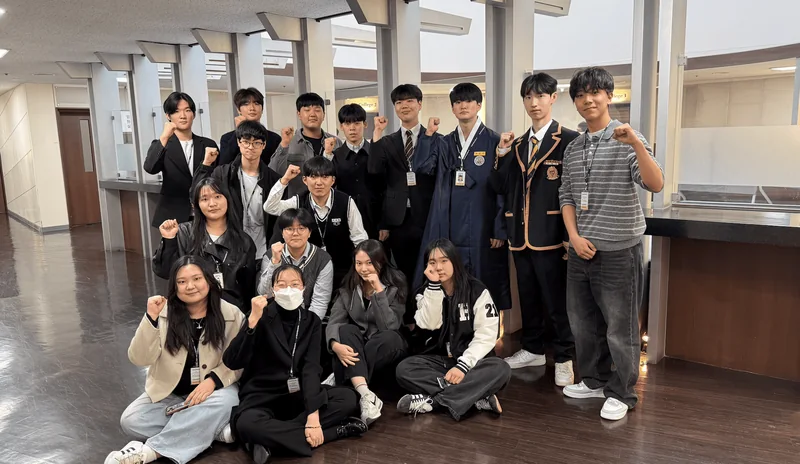
<Group photo of the Republic of Korea Youth Council Integration Committee>
제18대 대한민국 청소년 의회에서 통합위원회 의원으로 활동하며 대표 입법청원안을 직접 발의하는 경험을 했다. 통합위원회는 과학기술, 문화방송통신, 경제, 보건복지 등 여러 분야를 아우르는 위원회이기에, 그만큼 논의의 범위도 넓고 방향을 잡기까지 시간이 걸렸다. 우리가 최종적으로 선택한 주제는 디지털 학교폭력이었다.
주제를 정하고 나서 가장 오래 붙잡고 있었던 지점은 플랫폼의 책임 문제였다. 사이버폭력 피해 경험률 42.7%, 딥페이크 피해 증가, 신고 후 며칠씩 방치되는 콘텐츠. 문제의 공통점은 하나였다. 플랫폼이 움직이지 않는다는 것. 자율적으로 처리하길 기다리는 구조 안에서 피해자는 계속 혼자였다.
그래서 우리가 청원안의 핵심으로 밀어붙인 것이 플랫폼 청소년 피해 우선조치 의무 법제화였다. 이용자 10만 명 이상의 플랫폼을 대상으로, 신고 접수 후 24시간 내 임시 차단을 의무화하고 72시간 내 최종 처리를 법으로 강제하는 내용이었다. 플랫폼이 자발적으로 하길 기대하는 것이 아니라, 하지 않으면 제재받는 구조를 만드는 것이 목표였다. 여기에 AI 기반 재유포 자동 차단 기술 의무화와 반복 가해 계정의 플랫폼 간 제재 연동까지 더해, 콘텐츠가 삭제되어도 다시 퍼지는 반복 구조 자체를 끊으려 했다.
서로 다른 배경과 관점을 가진 위원들이 하나의 청원안을 만들어가는 과정은 쉽지 않았다. 우선순위가 달랐고, 접근 방식도 달랐다. 그러나 결국 우리가 향하는 방향은 같았다. 더 안전한 사회를 만들겠다는 것이 우리가 향하는 방향이라는 것을 알게 되었다. 그 공동의 목표 위에서 의견을 좁혀나가는 과정이 협력이 무엇인지를 배우게 된 것 같다.
디지털 폭력은 국경이 없다. 플랫폼은 전 세계를 연결하고, 피해도 그 연결망을 따라 퍼진다. 한 국가의 입법만으로 해결될 수 없는 구조적 문제라는 걸 청원안을 만들면서 더 선명하게 인식했다. 사회를 바꾸는 일은 혼자의 목소리가 아니라, 같은 방향을 바라보는 사람들이 함께 구조를 설계할 때 가능하다는 것. 이 경험이 그걸 처음으로 실감하게 해줬다.
(활동: 2026.03.22~2027)